
Colour is the easy part of mortar matching
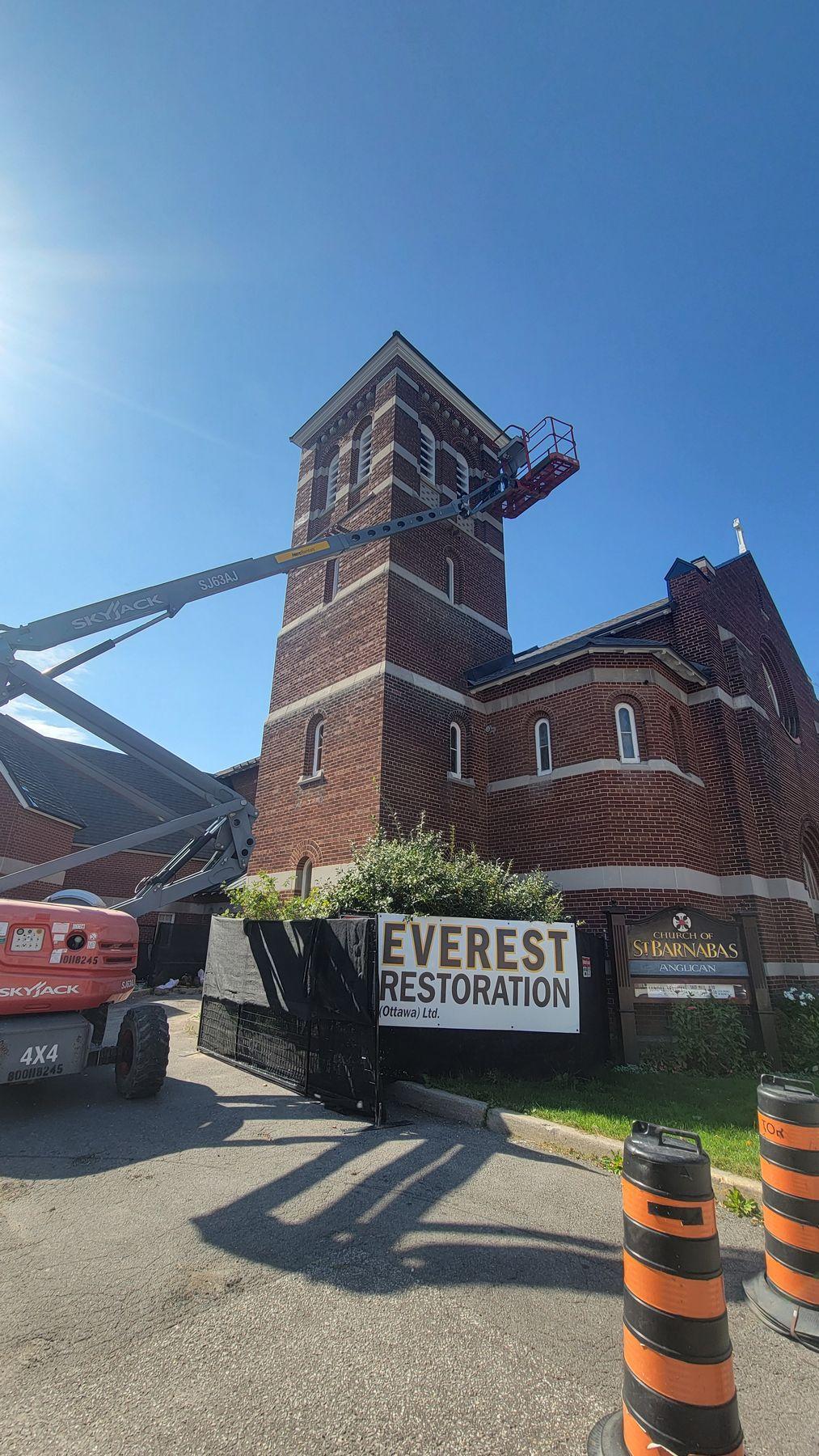
People notice colour first. That is the easy match. The match that keeps a wall alive is hardness, vapour permeability, texture, and the shape of the joint. Everest’s own FAQ puts it that way, and Ottawa has too many walls that prove it.
A hard, cement-rich joint next to a softer historic mortar does not “strengthen” the wall. It turns the brick or stone into the weak point. Water and freeze-thaw then break the unit instead of the joint. That is why a pretty repair can be worse than leaving the old mortar alone.
The joint profile matters too. The appropriate finish depends on the original masonry, the building’s history and its exposure. A standard modern profile should not be assumed suitable for every older wall. Sound surviving joints and relevant records help establish an appropriate match.
Everest is sometimes hired to cut out and redo a house another contractor just finished. The colour was close. The mix was not. Matching is a materials decision, not a paint decision. If the original mortar has lasted, stay close to it. If it has not, do not copy the failure.